Project Spotlight


Event Spotlight


Project Spotlight

PID Floors & NY11+ Event

ABOUT US
LUNCH & LEARNS

OUR RESOURCE LAB
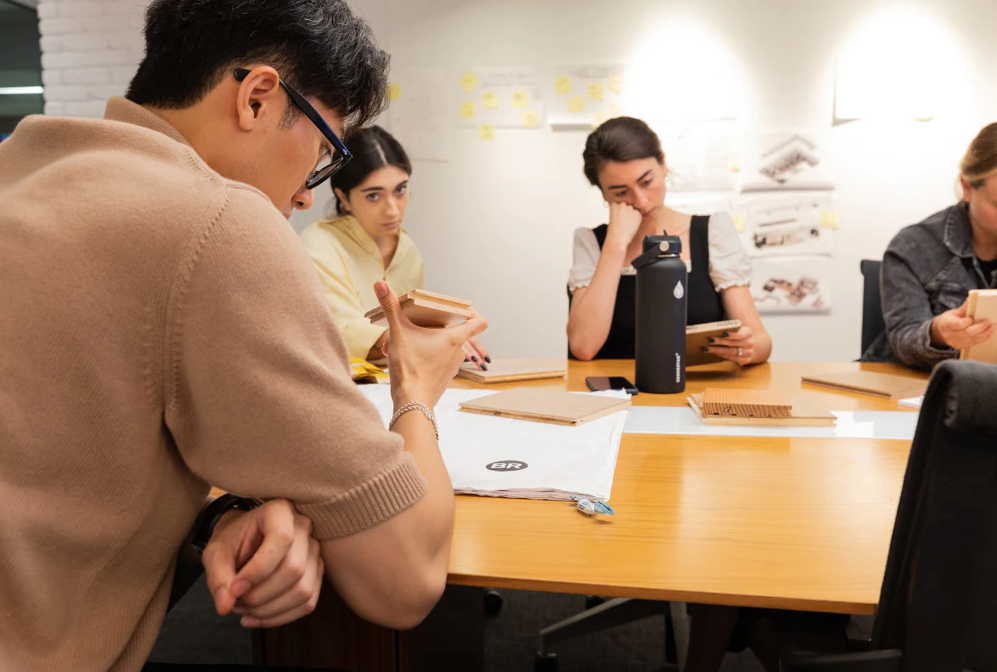
This simple and innovative online tool allows you to see PID Floors in YOUR space.
Visualizing what types, styles, and colors of hardwood floors would realistically look like in your space could not be any easier. The first step is to upload a room image. The Imagine It tool works on your phone or computer and allows you to either:
- Take a live photo from your cellphone directly from the Imagine It page
- Use a photo from your existing photo library on your phone
- Or choose a photo saved on your computer
Once your room photo has been uploaded, you’ll be ready to let your design imagination run wild! Pick and choose any hardwood floors you desire and experience what your flooring choices would look like installed in your specific space. You will also have the ability to share your choices with others or to download the images you love for yourself. Start to Imagine It HERE.
Explore
Latest News & Happenings


PID Floors Celebrates 35 Years in Business
PID is proud to be celebrating our 35th year in business. That's 35 years of hard work, love, craftsmanship, family, and everything hardwood floors. It's going to keep getting better from here and we cannot wait to share it with you every step of the way!

PID Floors x Atelier CV
For our 2nd Episode, we were thrilled to go BEYOND THE SURFACE with the incredibly talented and passionate team behind Atelier CV, Valerie Goldin-Remm and Christine Zeqiri.

PID Floors x Karen Asprea
We truly couldn’t think of a better person to sit down and to go BEYOND THE SURFACE with for our first episode than our long-time friend, the talented Karen Asprea.

PID x AIA Cocktail Happy Hour
We loved hosting the AIANY Members and Friends Summer Happy Hour this summer at our flagship showroom on West 20th Street in Manhattan!

Artistic Tile X PID Floors
Imagine stepping into an inspiring world where tiles and wood floors can seamlessly be sourced and discovered. This is the magic of New York City's Flatiron Design District in Chelsea.

PID Floors + Sustainability
Discover the beauty of hardwood flooring while embracing sustainability. From responsibly sourced materials to eco-friendly practices, rest assured our wood flooring will both enhance your space and respect our planet.

PID Celebrates 35 Years & Grand Opening Of New Showroom
Coinciding with the Design District Crawl, we were honored to celebrate our 35th year in business and the official grand opening of our new 7,000 SF Flagship showroom! This new space is truly a labor of love and a dream 35 years in the making. It is a celebration of all the things we know and love about our industry. We hope it will become a design hub of inspiration for all.

PID Hosts NY11+ Reception & Panel Discussion
We were thrilled to host the NY11+ Reception & Panel Discussion: “Paths to Professionalism in Interior Design” on April 25th at our flagship showroom! The panel featured a diverse lineup of esteemed professionals from various sectors of the design industry.

PID inLove Collection
Our inLove Collection offers bespoke services that allow us to create custom flooring locally in Brooklyn, New York. If you can dream it, we can create it, and the possibilities are endless. Any and every aspect of our product can be customized—from the species and grade of wood—to the construction and dimensions of the wood planks.

inLove Collection
We wanted to share a little behind the scenes floor making magic happening in our state-of-the-art facility in Brooklyn. This is where we create our custom wood flooring and have full bespoke capabilities. In these images, our skilled craftsmen are hard at working creating floorboards for our InLove Collection using the same techniques that were developed and used over 300 years ago, before the advent of pigment stains or paints. This is a multi-step process, and each step is done by hand.

PID Lunch & Learns
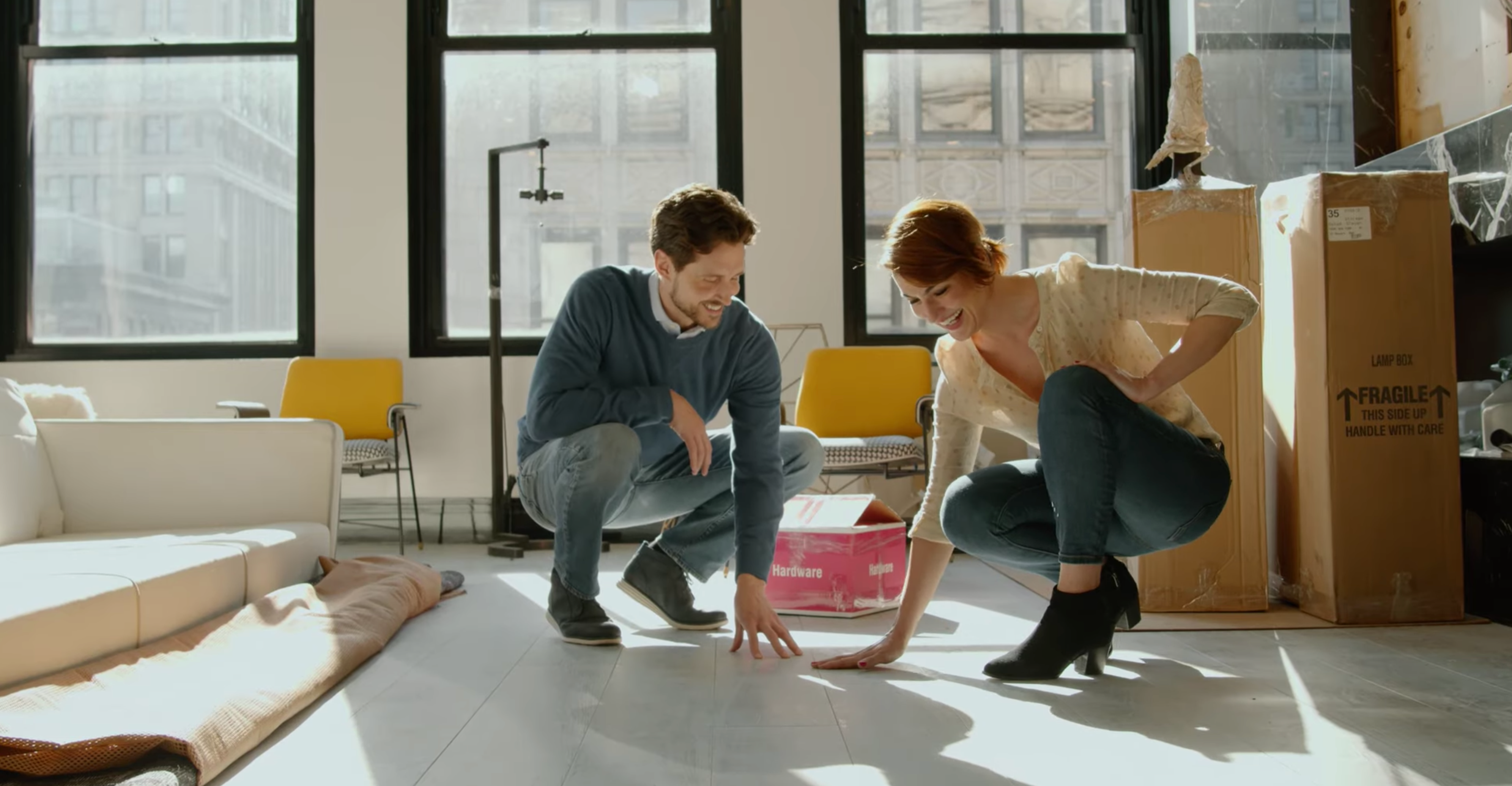
For three decades, we have focused our efforts solely on hardwood flooring which gives us a unique and exceptional level of expertise and we love being able to share that knowledge with you. We are proud to offer AIA, NWFA, USGBC | GBCI Continuing Education courses as well as our own PID Floors courses. All courses are available online or as in-person presentations!

Liberty Collection
The Liberty Collection supports the trend of domestic manufacturing and is sourced, designed, produced, and finished entirely in the United States. Made from North American White Oak which has been grown in responsibly managed forests, this line has been exquisitely milled. This collection is stocked as raw material making it available for your complete customization.

Selected Collection
The Selected Collection is a thoughtful curation of Oak, Ash, and Walnut Select Grade Hardwood Flooring which has been sourced from all around the world and is kept in stock for quick and easy delivery. Select Grade is one of the highest grades of wood flooring, prized for having a more uniform appearance, softer color variations, and an absence of knots and cracks, while still showcasing the natural beauty and movement of wood.

New Flagship Showroom
Our new NYC Flagship showroom is a labor of love and a dream 35 years in the making. It is a celebration of all the things we know and love about our industry. We hope it will become a design hub of inspiration for all.

As Seen In